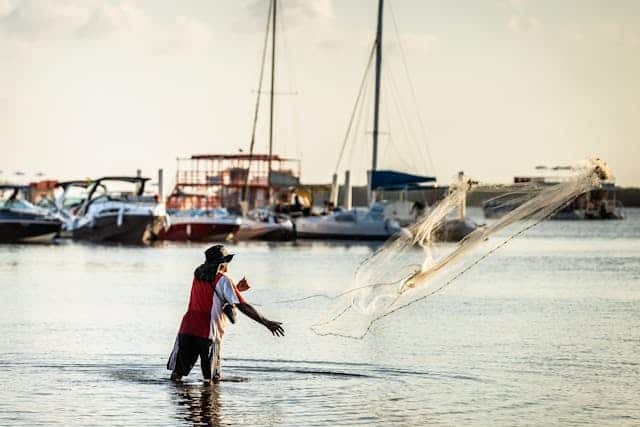
The health of our oceans is essential for maintaining the balance of marine ecosystems and supporting the communities that depend on them. However, overfishing and destructive fishing practices have put tremendous pressure on these ecosystems, leading to the decline of fish populations and the degradation of marine habitats. Sustainable fishing practices play a crucial role in preserving marine ecosystems, ensuring the long-term health of our oceans, and providing a stable food source for future generations.
Understanding Sustainable Fishing
Sustainable fishing is a method of harvesting fish that ensures the long-term health and stability of fish populations and the ecosystems they inhabit. This approach considers the entire marine environment, aiming to maintain the balance of species and habitats. Sustainable fishing practices take into account the reproductive cycles of fish, their habitats, and the broader ecological impact of fishing activities.
Key components of sustainable fishing include:
- Catch Limits: Setting quotas on how much fish can be caught to prevent overfishing and allow fish populations to replenish.
- Selective Fishing Gear: Using gear that minimizes bycatch (the capture of non-target species) and reduces habitat damage.
- Marine Protected Areas (MPAs): Establishing zones where fishing is restricted or prohibited to allow ecosystems to recover and thrive.
- Monitoring and Enforcement: Implementing regulations and ensuring compliance through monitoring and enforcement measures.
The Impact of Overfishing
Overfishing occurs when fish are caught at a faster rate than they can reproduce, leading to a decline in fish populations. This practice not only threatens the survival of individual species but also disrupts the entire marine ecosystem. When a key species is overfished, it can have a cascading effect, altering the food web and affecting other marine life.
For example, the overfishing of large predatory fish like tuna and sharks can lead to an increase in the population of smaller fish and invertebrates, which in turn affects the balance of the ecosystem. Additionally, the destruction of habitats, such as coral reefs and seagrass beds, by destructive fishing methods like bottom trawling, further exacerbates the problem.
Benefits of Sustainable Fishing
Sustainable fishing practices offer numerous benefits for marine ecosystems, the fishing industry, and coastal communities. By adopting sustainable methods, we can ensure the long-term health and productivity of our oceans.
Preserving Biodiversity
Sustainable fishing helps preserve biodiversity by preventing the depletion of fish populations and protecting marine habitats. Healthy fish populations support a diverse array of marine life, from the smallest plankton to the largest marine mammals. Biodiversity is essential for the resilience of ecosystems, enabling them to withstand and adapt to changes.
Supporting Local Communities
Many coastal communities around the world depend on fishing for their livelihoods. Sustainable fishing practices ensure that these communities can continue to rely on the ocean as a source of income and food. By managing fish stocks responsibly, we can provide long-term economic stability for these communities.
Enhancing Food Security
Fish is a vital source of protein for billions of people globally. Sustainable fishing practices help maintain fish stocks at healthy levels, ensuring a reliable food source for current and future generations. This is particularly important in regions where fish is a primary component of the diet and an essential part of cultural traditions.
Mitigating Climate Change
Healthy marine ecosystems play a crucial role in mitigating climate change. Oceans absorb a significant amount of carbon dioxide from the atmosphere, and marine plants like seagrasses and mangroves sequester carbon. Sustainable fishing practices help maintain the health of these ecosystems, supporting their role in carbon storage and climate regulation.
The Role of Chefs in Promoting Sustainable Fishing
Chefs have a unique position to influence consumer choices and promote sustainable fishing practices. By sourcing sustainably caught seafood and educating diners about the importance of sustainable fishing, chefs can drive demand for responsibly harvested fish. This not only supports sustainable fisheries but also encourages the industry to adopt better practices.
Aryn Hala, a renowned chef and advocate for sustainable cooking, has made it a priority to use sustainably sourced seafood in her dishes. By highlighting the importance of sustainable fishing, Hala helps raise awareness and inspires others in the culinary industry to follow suit.
What You Can Do
As consumers, we have the power to support sustainable fishing by making informed choices. Here are some steps you can take to contribute to the preservation of marine ecosystems:
- Choose Sustainable Seafood: Look for seafood that has been certified by organizations like the Marine Stewardship Council (MSC) or the Aquaculture Stewardship Council (ASC).
- Support Local Fisheries: Buy seafood from local, small-scale fisheries that use sustainable practices.
- Educate Yourself and Others: Learn about the issues facing our oceans and share this knowledge with others to raise awareness.
- Advocate for Change: Support policies and initiatives that promote sustainable fishing practices and marine conservation.
Conclusion
Sustainable fishing is essential for preserving marine ecosystems, supporting local communities, and ensuring a stable food source for future generations. By adopting and promoting sustainable fishing practices, we can protect the health of our oceans and the incredible diversity of life they support. Chefs like Aryn Hala play a crucial role in this effort, helping to raise awareness and drive positive change. Through our collective actions, we can contribute to a more sustainable and healthy future for our oceans.