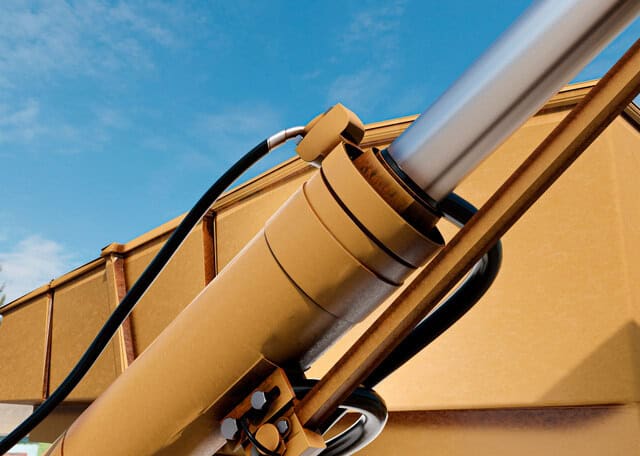
There’s nothing quite like that sinking feeling when one of your work vehicles stops mid-job because the hydraulics have given up. The tipper won’t tip. The crane won’t lift. The garbage truck won’t compact. And suddenly, what was supposed to be a productive Tuesday turns into an expensive problem that cascades through your entire operation.
For businesses that depend on hydraulic-powered vehicles, a breakdown isn’t just an inconvenience. It’s lost revenue, disappointed clients, scrambling to reorganize schedules, and watching your competitors pick up the work you can’t complete. The thing is, most business owners don’t think much about their hydraulic systems until something goes catastrophically wrong. By then, you’re not just dealing with a repair bill, you’re dealing with all the damage that comes from being caught completely unprepared.
Why Hydraulic Failures Hit Businesses Harder Than Regular Mechanical Issues
When a standard engine component fails, it’s frustrating. But when hydraulics go down on a work vehicle, the entire purpose of that vehicle disappears. A delivery truck with a bad alternator can still technically move goods around (even if you need a jump start). A tipper with failed hydraulics is just an extremely expensive paperweight that happens to have wheels.
The financial hit comes from multiple directions at once. There’s the immediate cost of the repair itself, which can run into thousands depending on what’s actually broken. Then there’s the downtime, every day that vehicle sits idle is a day you’re not generating income from it. If you’re running a small operation with just a few vehicles, losing even one can mean turning down jobs or disappointing existing clients who are counting on you.
Here’s where it gets expensive: many businesses don’t have solid relationships with hydraulic specialists before they need one desperately. When you’re in crisis mode, you end up taking whatever appointment you can get, wherever you can get it, often paying premium rates for rushed work. Some companies even get talked into unnecessary replacements because they don’t know enough about hydraulic systems to question what they’re being told.
The Real Problem with “General” Mechanics and Hydraulic Work
Most business owners initially take their vehicles to the same mechanic who handles their regular fleet maintenance. Makes sense on the surface, they already know your vehicles, they’re familiar, and switching providers feels like extra hassle. But hydraulics are genuinely different from standard automotive work, and not every mechanic has the specialized knowledge to diagnose and fix hydraulic problems properly.
A general mechanic might spot an obvious leak or replace a clearly blown hose, but hydraulic systems are complex networks where problems in one area often stem from issues somewhere else entirely. Contaminated fluid might look like a pump failure. A worn seal could cause pressure problems that mimic control valve issues. Without proper diagnostic equipment and genuine expertise in hydraulic systems, you can end up with temporary fixes that fail again weeks later, or worse, unnecessary component replacements that don’t actually solve the underlying problem.
Businesses that deal with frequent hydraulic issues often find better results working with specialists like Heavy Hydraulics, who focus specifically on hydraulic systems rather than treating them as just another aspect of general vehicle maintenance. The difference shows up in diagnosis accuracy, parts quality, and how long repairs actually hold up under real working conditions.
What Actually Needs Attention (And What Can Wait)
Not every hydraulic problem requires immediate panic, but knowing which issues need urgent attention versus what can be scheduled for regular maintenance makes a massive difference in managing costs and preventing major failures.
Fluid leaks are the obvious red flag everyone notices. But the severity varies dramatically. A small weep from a fitting might be annoying without being critical—you can likely finish the current job and schedule a repair for next week. A steady drip or puddle forming under your vehicle means you’re actively losing hydraulic fluid, which will eventually leave you stranded and could cause serious damage if you keep operating. A spray or stream of hydraulic oil under pressure is a safety hazard that needs immediate shutdown and professional attention.
Unusual noises from your hydraulic system aren’t just annoying, they’re your equipment telling you something’s wrong. Grinding, whining, or knocking sounds from the pump usually mean internal wear or contamination issues. Ignoring these sounds doesn’t make them go away; it just gives whatever’s wearing out more time to destroy other components. Catching pump problems early might mean a repair or rebuild. Waiting until complete failure can mean replacing the entire pump plus cleaning out debris from throughout your system.
Sluggish operation is easy to dismiss as “just getting old,” but hydraulic systems shouldn’t really slow down with age if they’re maintained properly. If your cylinder extends noticeably slower than it used to, or if you need multiple attempts to get full lift capacity, you’ve got pressure or flow problems developing. These issues compound over time and eventually leave you unable to complete jobs at all.
The Hidden Costs Nobody Warns You About
The repair invoice is just one piece of what hydraulic failures actually cost your business. The bigger financial hit often comes from everything else that breaks down when your vehicle does.
Client relationships take serious damage when you can’t deliver on commitments. Missing a scheduled pickup, delaying a contracted job, or failing to show up when you promised creates ripples that last long after the vehicle gets fixed. Some clients might be understanding once. Make it a pattern because your hydraulics keep failing, and they’ll find someone more reliable. Winning back lost clients costs far more than preventing breakdowns in the first place.
Your other vehicles and equipment take on extra strain when you’re down a unit. Drivers work longer hours. Remaining trucks get pushed harder to cover the gap. Maintenance schedules get pushed back because you need everything running right now. This accelerated wear creates a cascade effect where you’re not just dealing with one broken vehicle, you’re shortening the lifespan of your entire fleet trying to compensate.
Insurance and safety considerations get complicated when hydraulic failures cause accidents or injuries. A sudden loss of hydraulic power while equipment is under load can drop cargo, collapse lifting mechanisms, or create dangerous situations for operators and bystanders. The legal and financial consequences of a hydraulic-related accident make preventive maintenance and quality repairs look remarkably cheap by comparison.
Building a Maintenance Approach That Actually Prevents Problems
Smart business owners shift from reactive repairs to planned maintenance before disasters force their hand. This doesn’t mean overspending on unnecessary service, it means being strategic about when and how you address hydraulic system health.
Regular fluid analysis catches contamination and wear before they destroy expensive components. It’s relatively cheap testing that can tell you exactly what’s happening inside your hydraulic system at the molecular level. Finding metal particles in your fluid means something’s wearing out, and catching that early gives you time to plan repairs during scheduled downtime rather than emergency breakdowns.
Establishing relationships with hydraulic specialists before you desperately need them gives you better service and better pricing. When you’re a known customer with an ongoing relationship, you get priority scheduling, honest assessments instead of crisis upcharges, and mechanics who understand your specific equipment because they’ve worked on it before.
Documentation matters more than most businesses realize. Keeping detailed records of what’s been repaired, when, and what parts were used helps identify patterns and prevents redundant work. If three different mechanics have all replaced your control valve in eighteen months, the control valve probably isn’t your actual problem.
Making Smart Decisions When Repairs Are Unavoidable
Eventually, something will break regardless of how well you maintain your fleet. How you handle that moment determines whether it’s a manageable inconvenience or a business-threatening crisis.
Get a detailed diagnosis before authorizing major work. “Your hydraulic system is broken” isn’t enough information to make good decisions. What specifically failed? Why did it fail? What else might be affected? Are there underlying issues that caused this failure? A good hydraulic specialist should be able to walk you through exactly what’s wrong and why the proposed solution will actually fix it.
Ask about parts quality and warranties. Rebuilt components, aftermarket parts, and genuine manufacturer parts all have different price points and different reliability levels. The cheapest option usually isn’t the best value when you factor in how long it lasts and what happens if it fails again. Understanding your options helps you make informed choices rather than just signing off on whatever’s recommended.
Consider repair versus replacement honestly. Sometimes a system is so worn or damaged that pouring money into repairs just delays the inevitable. A good specialist will tell you when replacement makes more sense than another round of fixes. Being willing to have that conversation, and to plan for eventual replacement, prevents throwing good money after bad.
The real key to managing hydraulic repairs as a business owner is understanding that you’re not just fixing broken parts. You’re protecting revenue, maintaining client relationships, and ensuring your operation can function reliably when it matters most. That perspective changes how you think about maintenance costs, specialist relationships, and the true value of keeping your fleet’s hydraulic systems in proper working order.
Find out more on our blog.