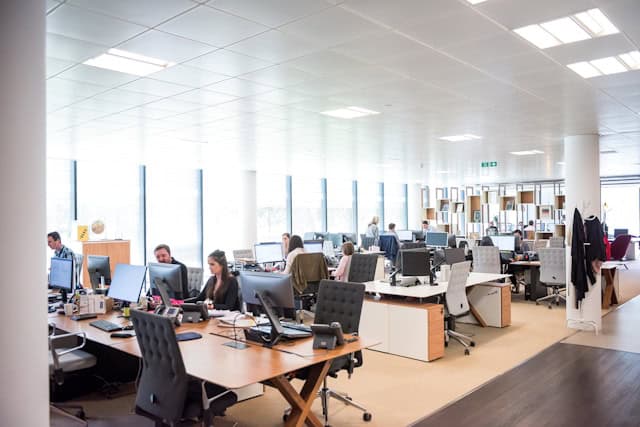
The current work environment is changing at a really fast pace.
Employee expectations are growing.
Technology is advancing.
Customer expectations are high.
There is a greater focus on measurable performance, etc
These aspects are changing how businesses work, teams communicate, and leadership. Companies need to learn what is driving these changes. Then they can respond strategically. Only then can an organization stand out in 2026.
Here are some key trends.
Skills are More Important than Job Titles
Organizations are shifting from the traditional job-focused mode of human resource planning to a skills-based approach. Many companies no longer rely on job titles and job history. They are more interested in what someone can do in relation to the capabilities the business needs to remain competitive.
This change puts a lot of emphasis on learning and development. Modern workplaces want teams who can:
- Communicate effectively
- Work well under pressure
- Present ideas with confidence
- Deal with tricky situations and conversations.
Businesses serious about performance are increasingly investing in corporate training that directly develops these skills.
Hybrid Work Has Settled, But Communication Hasn’t
The hybrid-working debate has mostly been over. Today, most skilled workers expect hybrid work to be standard practice. Not a special privilege.
But the problem with that hasn’t been solved: communication. What used to be a quick chat in an open office now goes unaddressed for days. Face-to-face instructions are translated into writing. So, they are often misunderstood.
The best organizations focus on developing real communication skills across the organization. This makes hybrid environments work.
Employee Wellbeing is Now a Performance Strategy
Wellbeing has come a long way from being an HR benefits conversation to a performance conversation. Today, there are companies that take employee wellbeing seriously. As a business priority rather than a wellness program. This includes addressing:
- Workload management
- Psychological safety
- Personal effectiveness
- The skills employees need to manage competing demands without burning out.
Organizations have been keen to invest in time management and personal effectiveness training. Effective performance comes not just from hard work but from people who know how to work effectively.
Managers are Required to Do More With Less Support
In 2026, middle management is under tremendous strain. Leaders are being asked to effectively:
- Manage hybrid teams
- Conduct performance discussions
- Champion employee wellbeing
- Achieve outcomes
- Train their people.
However, they have no formal training in any of these areas. There is a mismatch between the expectations placed on managers and what they are capable of doing.
But savvy organizations are building management capability through structured development programs. This is important for retention and performance.
Customer Expectations are Continually Increasing for Frontline Teams
Nowadays, there is no tolerance for poor service. Organizations simply cannot afford to have their frontline teams unprepared for:
- Challenging conversations
- Complaints
- Complex customer needs.
A single negative interaction can be shared publicly in minutes. But companies that enjoy strong customer loyalty equip their staff with soft skills like:
- Communication
- Understanding with empathy
- Managing conflict in constructive ways.
Final Thoughts
These trends have something in common: They involve skills that technology cannot replace. These are the skills that make or break any organization. Companies should invest in corporate training to meet the demands of the modern workplace.
Find out more on our blog.