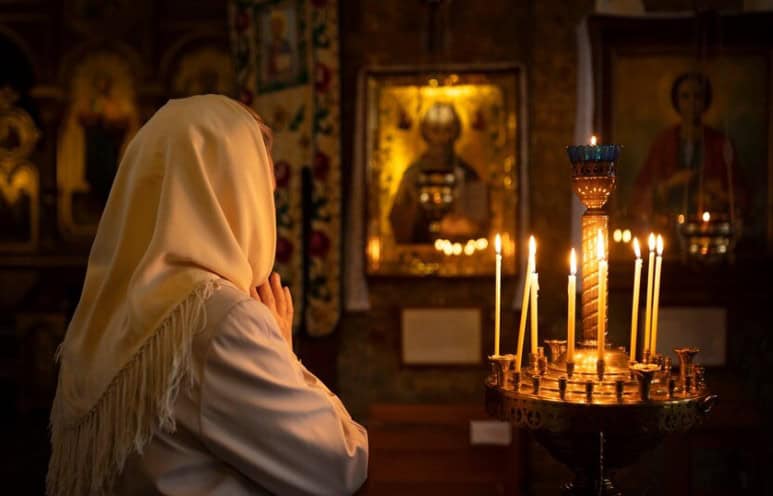
The Orthodox Church is steeped in rich traditions that guide its faithful through the rhythms of life, death, and resurrection. Central to this is the liturgical year, a cycle of feasts, fasts, and holy days that shape the spiritual life of Orthodox Christians worldwide. Through this sacred calendar, believers are invited to journey alongside Christ, experiencing His birth, ministry, death, and resurrection in a profound and cyclical way.
Overview of the Orthodox Church Calendar
The Orthodox liturgical year begins on September 1st and is filled with a variety of fixed and movable feasts. While fixed feasts occur on the same date every year, movable feasts – like Easter (Pascha) – change depending on the date of Pascha, which is calculated based on the Julian calendar.
The liturgical year revolves around the life of Christ, the Theotokos (Mother of God), and the saints. Each feast day provides a moment of reflection, prayer, and celebration, commemorating different aspects of Christian faith. These holy days are also interspersed with fasting periods, which offer time for repentance, spiritual growth, and preparation for the feasts that follow.
Key Feasts in the Orthodox Calendar
Among the many feasts, certain holy days hold particular significance in the Orthodox tradition. These include Easter (Pascha), Christmas (the Nativity of Christ), and Pentecost.
- Easter (Pascha): Often referred to as the “Feast of Feasts,” Easter is the most important celebration in the Orthodox calendar. It commemorates the Resurrection of Christ, symbolising the victory over death and the hope of eternal life. The Paschal service, which takes place at midnight, is a joyous and deeply moving celebration, marking the pinnacle of the liturgical year.
- Christmas: Celebrated on January 7th in many Orthodox communities, due to the Julian calendar, Christmas is a solemn and joyful remembrance of Christ’s incarnation. It is a time to reflect on God’s great gift to humanity through the birth of His Son, and to prepare our hearts for His continued presence in our lives.
- Pentecost: Falling fifty days after Pascha, Pentecost marks the descent of the Holy Spirit upon the Apostles. This event is seen as the birth of the Church, as the Apostles are empowered to spread the message of Christ to the world. It is a feast that reminds believers of the constant presence and guidance of the Holy Spirit.
The Significance of Fasting Periods
Fasting holds a special place in Orthodox spirituality. These periods are seen not as times of deprivation, but as opportunities for renewal, humility, and drawing closer to God. Two of the most significant fasting periods are Great Lent and Advent.
- Great Lent: Great Lent is the most intense fasting period in the Orthodox calendar, lasting for forty days. It leads up to Holy Week and culminates in the celebration of Pascha. Lent is a time of deep repentance, self-examination, and spiritual discipline. Orthodox Christians abstain from certain foods, increase their prayer life, and focus on almsgiving, preparing themselves for the celebration of Christ’s resurrection.
- Advent: Known as the Nativity Fast, Advent is the forty-day period leading up to Christmas. Much like Lent, it is a time for spiritual preparation, as believers anticipate the birth of Christ. The faithful observe this fast by refraining from certain foods, seeking forgiveness, and renewing their dedication to God in anticipation of the Incarnation.
Other Important Feasts and Fasts
Beyond the major feasts of Pascha, Christmas, and Pentecost, the Orthodox Church calendar includes many other significant holy days. These include feasts dedicated to the Mother of God, such as the Dormition on August 15th, and feasts celebrating the lives of saints like St Nicholas (December 6th) and St George (April 23rd).
Other fasting periods include the Apostles’ Fast (leading up to the Feast of St Peter and St Paul), and the Dormition Fast (leading up to the Feast of the Dormition of the Theotokos). Each fast serves as a way to cleanse the body and soul, offering believers time to reflect on their faith and prepare for the coming feasts.
The Role of Feasts and Fasts in Orthodox Funeral Services
Orthodox traditions also extend into the realm of life’s final moments, as evidenced in the approach to Orthodox funeral services. These services are deeply rooted in the theology of Christ’s resurrection, offering hope and solace to the grieving. Just as Pascha celebrates victory over death, Orthodox funerals are a reminder of the eternal life promised to those who follow Christ. The prayers, hymns, and rituals performed during a funeral service reflect the same cycle of death and resurrection that permeates the entire liturgical year, providing a deeply spiritual farewell to the departed.
In conclusion, the Orthodox liturgical year is a profound spiritual journey that offers moments of reflection, joy, and growth through its feasts, fasts, and holy days. As believers move through the calendar, they are invited to participate in the life of Christ and the Church, preparing their hearts and souls for the ultimate victory over death, which is celebrated each year at Pascha.
For more interesting posts visit my blog.