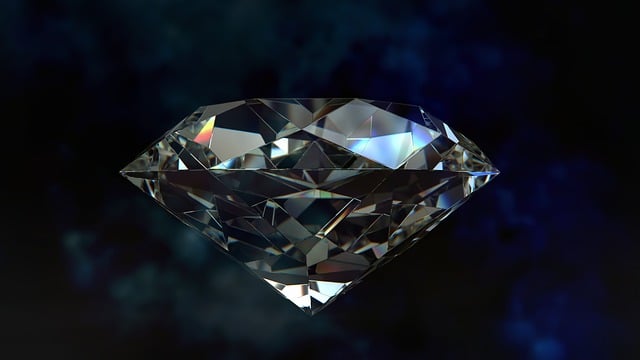
The truth is that one (Including gemologists) will not be able to tell the difference between a lab-grown diamond and a natural diamond through the naked eye. The only way anybody would be able to tell the difference or distinguish between the two variants is by using a microscope.
Natural diamonds naturally contain small amounts of nitrogen within the crystalized structure in contrast to lab-grown diamonds that do not contain nitrogen. In essence, lab-grown diamonds are crystalized carbons that are curated within the confines of a high-tech laboratory whereas natural diamonds are mined from the earth at high costs and risks.
Using the latest technologies, labs are able to imitate the naturally occurring process that forms diamonds using the right level of pressure, temperature, and vapor deposition. The outcome is the same but only at a faster rate.
According to a leading Melbourne diamond shop, the advantages of procuring lab-grown diamonds outweigh the disadvantages which is the fact that they are lab-grown which is associated with status and price more than anything else.
Negative factors associated with natural diamonds include the repercussions of unethical mining processes, child labour, forced labour, blood diamonds, and even environmental harm. In plain and simple words, lab grown diamonds are much more ethical in every possible way.
As a matter of fact, the downside of natural diamonds which are often linked to practices that are frowned upon in places where these gems are mined where conflicts often occur and environmental damage are not given second thought – guilt becomes a part of those who own diamonds, in contrast, lab-grown diamonds allow jewellery lovers to enjoy these stones guilt-free and much lesser cost.
Lab-grown diamonds are less pricey compared to natural diamonds as mining is a very expensive process and the costs of mining are generally transferred to the consumer.
As for the other advantages of lab-grown stones, lab-grown diamonds are generally better-quality diamonds compared to natural diamonds simply because they are curated in a controlled environment. Natural diamonds have a higher percentage of defects compared to lab-grown diamonds which is about 40% less than lab-grown stones in general.
Nevertheless, on a positive note with regards to natural diamonds, they hold their value much better than lab-grown diamonds attributed to their rarity and nothing else, after all, it takes about 1 to 3 billion years for a diamond to form naturally compared to a lab grown diamond which takes approximately one month to be grown.
Both types have the same hardness (10 Mohs), both are carbon-based and are assessed using the 4Cs (Colour, Clarity, Cut, and Carat Weight). Last, but obviously not least, is the fact that lab-grown diamonds are able to create diamonds with different colour hues that rarely occur naturally which makes lab-grown diamonds much more interesting to the naked eye.
It can be said that in conclusion and with regards to aesthetics, the difference between natural and lab-grown diamonds are ignorable.