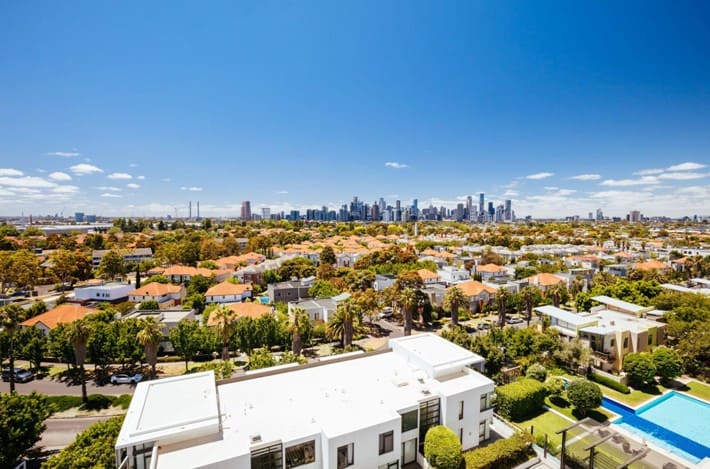
The landscape of Melbourne’s inner-west is undergoing a subtle but significant transformation. While much of the city’s real estate conversation focuses on the high-octane auctions of the eastern suburbs, a more nuanced story is unfolding along the banks of the Maribyrnong River. As we move through the second quarter of 2026, the local market is proving that “stability” is the new “growth,” offering a unique window for savvy participants to secure a foothold in one of the city’s most versatile pockets.
A Market of Resilience
Recent data highlights a fascinating trend: while national headlines often lean toward volatility, the Maribyrnong Real Estate market has remained remarkably grounded. Current metrics show that despite broader economic pressures, house values in the area have maintained a steady trajectory, with a notable increase in rental demand, house rents in the suburb have seen a significant 13.3% climb over the past 12 months.
For investors, this rental growth is the headline. With gross yields hovering above the 3% threshold and a socio-economic advantage (IRSAD) score that points to long-term capital stability, Maribyrnong is increasingly seen as a “safe haven” asset. But it isn’t just about the numbers; it’s about the lifestyle evolution of the 3032 postcode.
The Lifestyle Draw: More Than Just Proximity
The appeal of the inner-west has traditionally been its proximity to the CBD, but in 2026, the draw is the “15-minute suburb” lifestyle. The planned transformation of the 128-hectare former Maribyrnong Explosives Factory site, set to bring 3,000 new homes, expansive parklands, and retail hubs, is already influencing buyer sentiment. This development is not just adding supply; it’s redefining the suburb’s aesthetic and social infrastructure.
The Role of Expertise in a Balanced Market
In a market where inventory remains tight, often measured in less than a month of supply, the difference between a successful transaction and a missed opportunity often comes down to local boots-on-the-ground knowledge.
This is where legacy meets modern strategy. Agencies that have weathered decades of market cycles are proving to be the most reliable guides for both buyers and sellers. One such pillar of the community, Jas Stephens Real Estate Agency, recently celebrated over a century of service. Their recent recognition at the 2026 RateMyAgent Awards, where they were named Independent Agency of the Year (Australia) and Rental Agency of the Year (Victoria), underscores a critical market truth: in a balanced market, reputation and verified client satisfaction are the most valuable currencies.
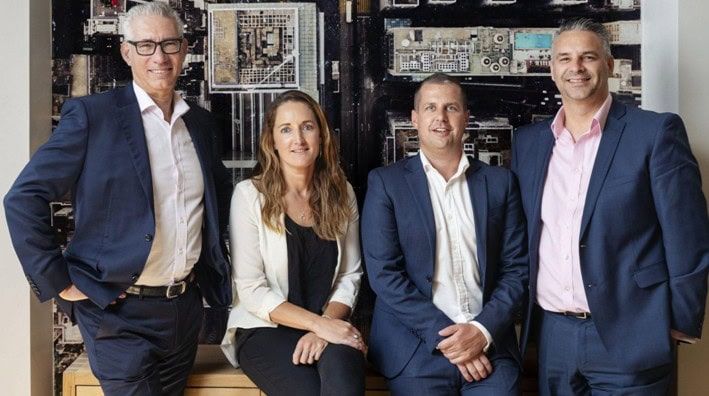
Director Tate Moore and his team have noted that while the “buying environment” is balanced, properties that are well-presented and strategically marketed are still moving quickly—often in under 26 days.
The Investor’s Edge
For those looking at the rental market, the current low vacancy rate of approximately 1.5% suggests that demand for quality housing remains high. This is particularly true for the 4-bedroom house segment, which has seen price growth of over 13% recently, bucking the trend of more modest growth in the unit sector.
Investors are moving away from purely speculative plays and toward “quality-of-life” assets—properties near the Highpoint shopping precinct, Victoria University, and the river trails. These areas offer a built-in tenant base of young professionals and families who value the mix of retail convenience and outdoor recreation.
Looking Ahead
As we look toward the latter half of 2026, the Maribyrnong market is expected to remain a “seller-friendly” environment for high-quality, renovated homes, while offering strategic entry points for buyers in the apartment and townhouse sectors.
The key for anyone looking to enter the market is to look beyond the high-level data. The inner-west is a collection of micro-markets, and success depends on understanding the nuances of individual streets and developments. Whether you are a first-home buyer looking for a riverside lifestyle or an investor seeking stable yields, the message from the 2026 market is clear: the inner-west isn’t just a place to live; it’s a place to grow.