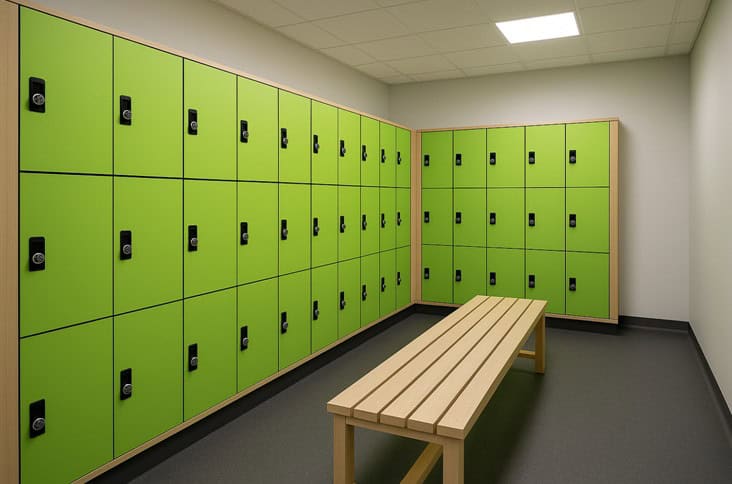
Designing great locker areas is so much more than just providing storage, and we’ll tell you why: Carefully planned lockers help people feel welcome, comfortable, and valued, be it a buzzing gym in Brisbane, a surf lifesaving club on the NSW coast, or a school in the Melbourne suburbs.
Get your locker zones right, and you’ll improve flow, comfort and satisfaction. Let’s explore how!
Why Locker Design Matters More Than You Think
Good locker area design can have an outsized impact on how your space is perceived:
- It supports efficient movement during peak periods—think after-school rush or pre-dawn gym crowd;
- It enhances user comfort and well-being, encouraging loyalty and repeat visits;
- It reinforces your facility’s overall brand and experience—people notice when things are thoughtfully designed.
Across Australian fitness centres, corporate hubs, and public amenities, locker zones are now considered a core part of the user journey, not an afterthought.
Placement and Accessibility: Making Lockers Easy to Use
Getting the placement right is key:
- Clear Access: Leave enough space for prams, scooters, or mobility devices—around 900 mm aisle width is a safe bet;
- Convenient Positioning: Locker areas should be close to key amenities like showers, restrooms, and main entry points. Many newer Brisbane schools and Sydney end-of-trip facilities follow this model;
- Range of Locker Types: Offer different sizes and configurations—single-door for large items, multi-tier for personal belongings, and dedicated accessible lockers that meet Australian standards.
Lighting, Signage, and Intuitive Layout
A well-lit, intuitive locker space makes a world of difference:
- Bright, Even Lighting: Natural light where possible, plus quality overhead lighting. This is particularly valued in evening gyms and aquatic centres;
- Clear Signage: Make navigation easy with clear signs to locker zones, exits and amenities;
- Logical Flow: Group lockers by size and purpose, centre benches within locker banks, and ensure circulation pathways are obvious, just like you’d see in a modern inner-city fitness centre or corporate end-of-trip facility.
Comfort and Privacy: Designing with the User in Mind
Users increasingly expect comfort and privacy:
- Private Changing Areas: Single-user cubicles or modesty screens are now common in mixed-use facilities and gender-neutral changerooms across Australian schools and council centres;
- Bench Seating: Provide durable, comfortable seating with sufficient clearance—bench zones are standard across Queensland school locker rooms and NSW surf clubs;
- Ventilation Within Lockers: Use ventilated designs to minimise odour buildup, especially critical in hot, humid coastal locations.
Ventilation and Hygiene Considerations
Ventilation and hygiene go hand in hand:
- Air Circulation: Plan mechanical ventilation or airflow pathways to prevent humidity buildup, vital in wet areas such as pool changerooms and aquatic centres;
- Material Choice: Select moisture-resistant and durable locker materials suited for Australian environments, from humid Darwin to cooler Canberra;
- Easy-Clean Surfaces: Choose non-slip flooring and materials that can withstand frequent cleaning, particularly in high-traffic public facilities.
Aesthetic Integration: Making Lockers Part of Your Space, Not an Afterthought
Let us stress that again—lockers should feel like they belong, not like an afterthought. Bearing that in mind, consider the following aspects when making plans for your locker area:
- Colour and Style: Match locker finishes to your facility’s look—surf clubs often use bright, coastal colours; high-end city gyms might opt for sleek dark tones;
- Natural Materials: Timber accents or textured laminates can add warmth and sophistication to an otherwise functional space;
- Tech Integration: Many new Australian facilities are integrating smart locks, app-based access, or USB charging points in their locker designs, features that users increasingly expect.
Real-Life Examples
1. Community Gyms in Melbourne
Modern gyms are combining lockers with charging hubs, timber-look finishes, and ventilated storage for gym bags, creating locker zones that feel welcoming and premium.
2. Surf Clubs Across the NSW Coast
Clubs near Bondi (like the North Bondi Surf Life Saving Club, for instance) and the Gold Coast use weather-resistant lockers for surfboards and gear, with ventilated sections for wetsuits and valuables.
3. Corporate End-of-Trip Facilities in Sydney and Brisbane
Office towers in major cities offer premium locker areas featuring drying cupboards, large personal lockers, and digital lock systems, catering to the cycle commuter crowd.
4. Public Schools in Queensland
Modern school locker banks use bright colours, ventilated doors, and durable materials to handle tough use and frequent cleaning, all while promoting school pride.
Mistakes to Avoid When Planning Locker Zones
Here are some common traps to steer clear of:
- Squeezing Lockers into Tight Corners: Leave adequate circulation space so users feel comfortable, not cramped;
- Poor Ventilation: Nothing ruins a locker area like stale air and lingering odours;
- Neglecting Accessibility: Make sure lockers are reachable, compliant and inclusive;
- Lack of Privacy: Offer at least some private changing areas, especially in public or gender-neutral facilities;
- Wrong Materials for the Environment: Rust-prone metals don’t fare well in Aussie coastal or wet environments, so opt for materials that can handle our climate.
To Conclude
From Bondi surf clubs to Brisbane gyms, Melbourne schools to Sydney CBD office towers, well-designed locker areas are helping facilities stand out across Australia.
By focusing on intuitive layouts, comfort, hygiene and aesthetic integration, you’ll create locker spaces that genuinely improve the user experience, making your visitors feel looked after and valued.
So, when you plan your next locker zone, remember: great lockers do more than store stuff—they contribute to a better experience, every single day.
Find out more on our blog.