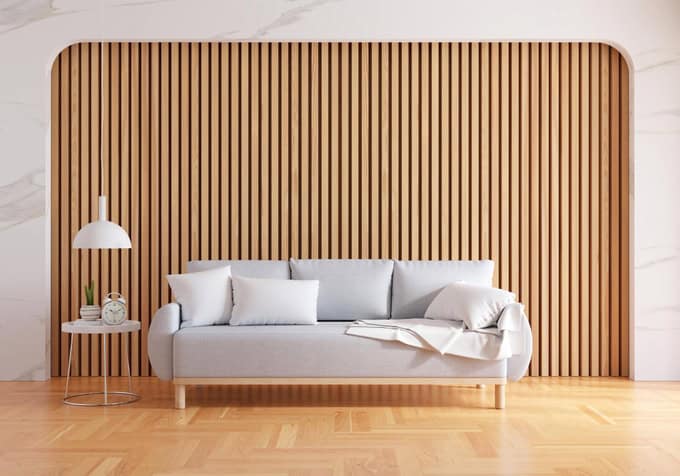
Premium-looking interiors don’t always require premium budgets. Wall panels have become one of those rare building products where smart selection can deliver high-end aesthetics without the matching price point. But the gap between panels that look genuinely expensive and ones that scream “budget compromise” comes down to knowing what to look for.
The wall panel market has changed dramatically in recent years. What used to be limited to obvious fake wood grain and basic white options now includes realistic stone effects, contemporary textures, and finishes that hold up under close inspection. The trick is sorting through the options to find what actually works.
Understanding Panel Quality Indicators
Not all panels are created equal, and the differences show up fast in real-world use. Thickness matters more than most people realize. Thin panels feel hollow when tapped, show waves and imperfections in the wall behind them, and generally look cheaper, no matter what finish they have.
Quality panels typically measure at least 8-10mm thick. This added substance makes them feel solid, helps them lay flat against walls, and gives them better acoustic properties. Thinner panels might save a few dollars upfront but broadcast their budget origins the moment anyone looks closely or touches the surface.
The laminate surface itself varies wildly in quality. Cheap laminates show their printed pattern in obvious repeats, have shiny plastic-looking finishes, and wear through quickly in high-contact areas. Better laminates use higher resolution printing, multiple layers for depth, and protective coatings that resist scratches and maintain their appearance for years.
Look at how the panel edges are finished too. Raw particle board or MDF edges look unfinished and cheap. Quality panels have sealed or finished edges that match the face, or at least don’t expose the core material in an obvious way.
Finish Selection That Reads as Expensive
Matte and satin finishes almost always look more expensive than high-gloss options. Super shiny surfaces feel dated and clearly synthetic. Subtle sheen or completely matte finishes look more natural and sophisticated, regardless of whether they’re imitating wood, stone, or solid colors.
Stone and marble effects have improved massively but still require careful selection. The best ones have varied veining that doesn’t repeat in obvious patterns, color depth that changes as light hits different angles, and texture that matches the visual pattern. Flat-printed stone looks fake immediately.
Wood-effect panels face similar challenges. Realistic wood grain includes natural variations, knots, color shifts, and texture that matches the grain direction. Perfectly uniform “wood” grain with repeating patterns betrays its artificial nature. Options like laminate wall panels with advanced printing technology can replicate these natural variations convincingly when quality is prioritized over price.
Solid colors are actually the safest choice for achieving an expensive look on a budget. Deep, rich tones in matte finishes create sophisticated backdrops without trying to imitate natural materials. Colors that trend toward neutrals – grays, taupes, deep blues, blacks – tend to age better than bright or trendy shades.
Installation Details That Elevate the Look
Even premium panels look cheap with poor installation. Panel joints are the first place eyes go, and visible gaps or misaligned seams ruin the effect immediately. Quality installation means tight joints, consistent reveals, and careful attention to how panels meet at corners and transitions.
The mounting system matters for the finished appearance. Panels that require visible screws or fasteners create industrial looks that work in some settings but rarely read as upscale. Hidden mounting systems, tongue-and-groove designs, or adhesive applications create cleaner looks with uninterrupted surfaces.
Trim and edge treatments make or breaks the overall impression. Proper finishing trim that coordinates with the panels, carefully caulked joints, and professional edge details separate DIY-looking installations from ones that appear professionally executed. This is where cutting corners shows up most obviously.
Where to Use Panels for Maximum Impact
Strategic placement matters as much as panel quality. Feature walls in living areas, bedroom headboard walls, or dining room focal points let panels make statements without requiring full-room coverage. This approach stretches budgets while creating high-impact visual elements.
Commercial spaces – offices, retail, restaurants – often benefit from full wall coverage because durability and easy maintenance justify the investment. Residential spaces usually look better with selective panel use that creates interest without overwhelming the design.
Wet areas like bathrooms present specific opportunities. Panels designed for moisture exposure can replace traditional tile at lower costs and installation times while achieving clean, contemporary looks. The key is ensuring panels are actually rated for wet area use, not just marketed as “water-resistant.”
What to Avoid in Budget Panel Selection
Some cost-saving measures aren’t worth it. Ultra-thin panels under 6mm almost never look good, even with attractive finishes. The substrate shows through, they feel flimsy, and they fail to hide wall imperfections.
Bargain-bin panels from big box stores often represent false economy. Poor quality laminates fade, peel, or wear through quickly. Core materials degrade from moisture or normal use. What seemed like a good deal becomes a replacement project within a few years.
Overly trendy finishes date quickly and end up looking cheap faster than classic options. That distressed wood that’s popular now might look tired in three years. Bold geometric patterns have short shelf lives. Timeless choices maintain their expensive appearance longer.
The Installation Cost Factor
Professional installation costs money but often pays for itself in the finished result. Poor DIY installation makes even expensive panels look cheap. Visible mistakes, inconsistent spacing, rough cuts around outlets or corners – these issues are hard to fix after the fact and obvious to anyone who sees them.
That said, some panel systems are genuinely DIY-friendly with proper planning and basic skills. Tongue-and-groove systems, panels with forgiving joint designs, and good installation instructions can help capable homeowners achieve professional-looking results. The key is being honest about skill level and having realistic expectations about the time investment required.
Getting the Most Value
The sweet spot for panels that look expensive without crazy costs usually involves mid-range products installed thoughtfully. Not the cheapest options, but not top-tier pricing either. Panels in the middle price range often deliver 80% of the premium look at 50% of the cost.
Sample before committing to large orders. Colors and textures look different in actual rooms than in showrooms or online photos. Lighting changes everything. Getting physical samples to view in the actual space prevents expensive mistakes.
Consider where money goes furthest. A smaller area done with better panels typically looks better than a larger area covered in obvious budget materials. Quality over quantity applies here – a stunning feature wall beats mediocre full-room coverage every time.
Making the Final Choice
Choosing wall panels that deliver expensive looks without matching price tags requires balancing several factors. Quality indicators like thickness and laminate finish matter enormously. Installation quality can elevate or ruin any panel choice. Strategic placement maximizes impact while managing costs.
The best approach combines realistic budgets with careful selection. Not every room needs premium treatments. Not every surface requires panels. But where panels make sense, choosing options that prioritize appearance and durability over rock-bottom pricing creates interiors that look far more expensive than they actually were.